 YPARC
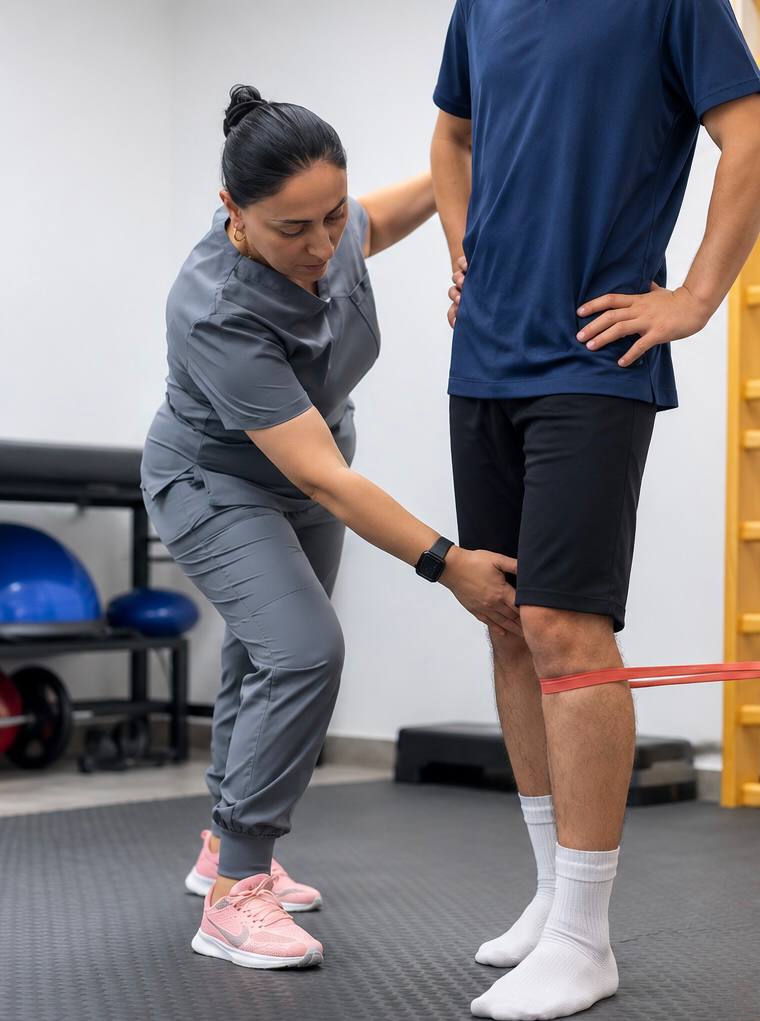
Why movement is often part of treatment
Activity helps maintain muscle strength, joint mobility and everyday function. Exercise can reduce chronic low back pain, although benefits vary between people. Prolonged bed rest is generally not recommended for back pain. [1] [2] [3]
You do not always have to wait for pain to disappear before returning to small daily activities. This does not mean ignoring severe pain or following the same exercise programme for every condition. [1] [6]
When rest helps
Rest can mean a short break, a change of position or temporarily replacing a difficult task with an easier one. During a chronic pain flare, reducing activity and dividing it into smaller parts may help without spending all day inactive. [4]
After a new injury or surgery, or when a clinician has set restrictions, follow those instructions. New, unusual pain needs assessment rather than automatically being labelled a familiar flare. [1] [6]
Start small
Choose a suitable activity: walking, gentle cycling, movement in water or adapted home exercise. As a starting example, try a few minutes of comfortable walking, then assess how you feel. Avoid floor exercises if getting down or up is unsafe. [1] [3] [5]
Small regular amounts are often more realistic than one demanding session. Work gradually towards general adult activity goals; you do not need to reach the full amount in your first week. A professional can also select strength exercises for joint problems. [3]
How to pace activity
On a good day, avoid trying to catch up on every missed task at once. Divide activities into sections and plan breaks. Choose a starting workload you can repeat on following days. [4]
Notice how you feel during the session, afterwards and the next morning. Mild discomfort can occur, but exercise should not make your condition worse overall or cause new pain. If symptoms persist or increase, reduce the workload and review the plan with a professional. [5]
If pain temporarily increases
First consider whether this is a familiar flare or a new, unusual symptom. For a familiar flare, temporarily reduce demanding tasks, keep small comfortable movements and gradually return to your usual routine. A sudden increase in hard exercise will not speed this up. [4]
Track function too: easier walking, sitting or continuing work. Repeated flares or prolonged worsening after activity need individual assessment. [3] [4] [6]
When to stop and seek help
Stop for new spreading pain, numbness, significant weakness, dizziness or feeling unwell. See a professional if pain does not improve over several weeks or interferes with everyday life. [1] [5]
Back pain with new bladder or bowel control problems, loss of feeling around the genitals or anus, weakness in both legs or a serious accident needs emergency care. Sudden severe or rapidly worsening pain, especially with fever, needs urgent assessment. [1]
Medical sources
- NHS · Back pain
- Cochrane · Exercise for chronic low back pain
- CDC · Physical activity and arthritis
- NHS inform · Coping with a flare-up of chronic pain
- NHS inform · Exercises for back pain
- WHO · Low back pain
This educational material does not replace an individual clinical assessment.