 YPARC
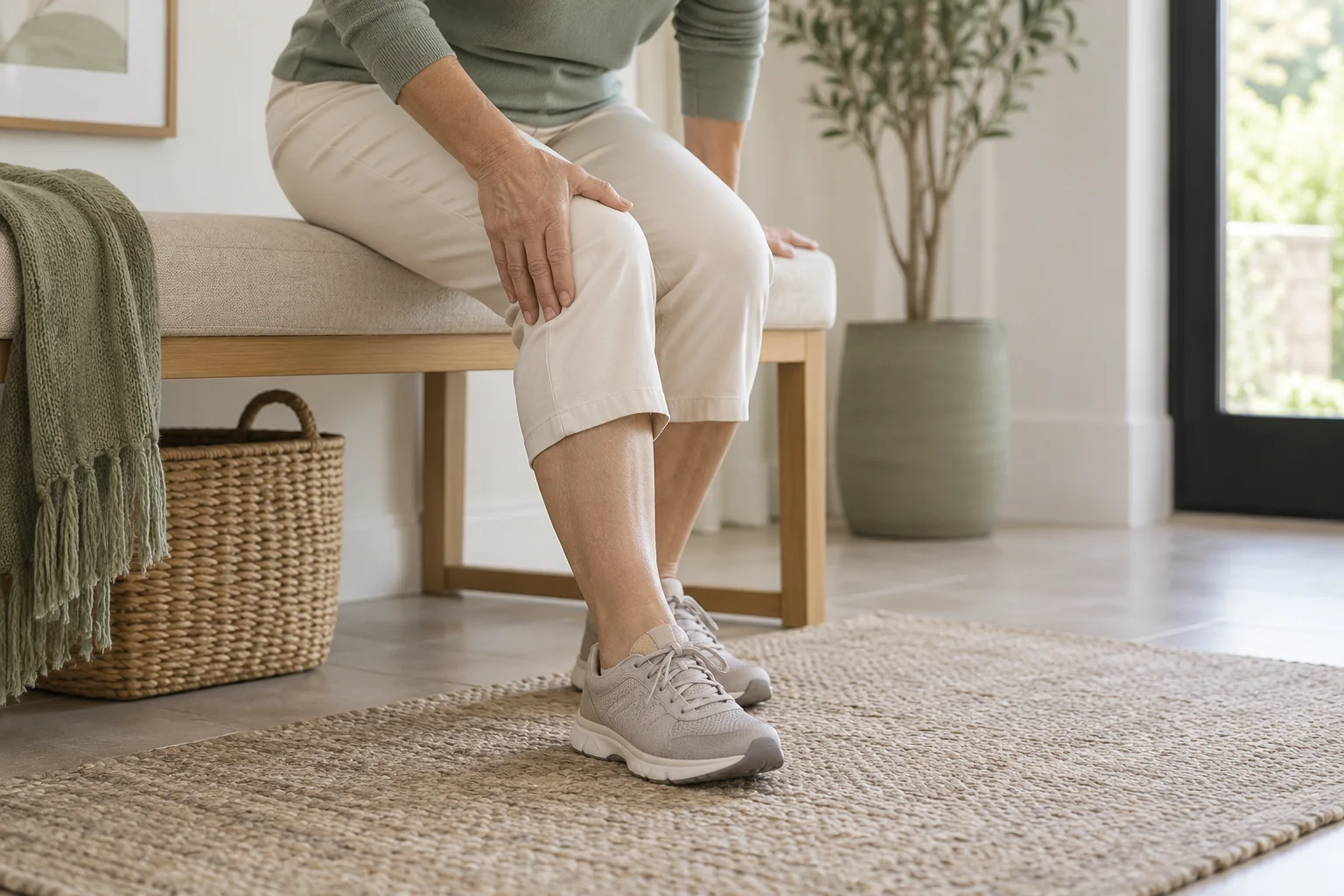
How are weight and pain connected?
Knees and hips carry body weight every day. Excess weight may increase their load and is associated with some joint problems. The connection is not purely mechanical: overall health, nutrition and other factors also matter. [1] [4]
Telling someone that their pain is “all because of weight” is unhelpful. Sleep, stress, opportunities to move and medical conditions also affect chronic pain. Support and individual assessment are more useful than blame. [2] [4]
What about back pain?
WHO identifies obesity as one possible risk factor for low back pain. This does not mean weight explains every episode, or that losing weight will necessarily remove it. Care may include education, adapted activity and other individual treatments. [2]
A modest change can help
For adults with overweight or obesity and arthritis, losing around 5% of body weight can help reduce pain and everyday limitations. For example, 5% of 80 kg is 4 kg. This is an illustration, not a weight-loss prescription for everyone or a guarantee of pain relief. [1]
If your weight is in a healthy range, pain does not automatically mean you need to lose weight. Where weight loss is appropriate, agree a realistic goal with a professional. You do not have to postpone movement or treatment until reaching a particular weight. [1] [5]
Start small: practical habits
Choose one change: replace some sugary drinks with water, or add vegetables to a main meal. Keep food varied, with beans, wholegrains and suitable protein sources. If pain makes cooking difficult, frozen vegetables and simple dishes can help. [3] [4]
Begin with activity that suits you: a short walk, movement in water or selected strength exercises. Increase the workload gradually. Crash diets, “fat-burning” supplements and single-food diets cannot replace a sustainable plan. [1] [3] [5]
Look beyond the scales
Track whether walking, climbing stairs or everyday tasks become easier. Weight may change slowly while strength and activity improve. Choose habits you can maintain over time. [1] [3]
When to get support
Talk to a clinician or dietitian if eating habits are hard to manage, you have another health condition or want to discuss weight-loss medication. Pregnancy, breastfeeding and eating disorders require an individual plan. Do not copy someone else’s calorie target or medicines.
Do not explain pain by weight alone. Unexplained weight loss or persistent pain needs assessment. Back pain with new bladder or bowel control problems, weakness in both legs or a serious accident needs emergency care. [6]
Medical sources
- CDC · Self-care for arthritis
- WHO · Low back pain
- NHS · Tips to help you lose weight
- IASP · Nutrition and chronic pain
- NICE NG226 · Osteoarthritis: recommendations
- NHS · Back pain and warning signs
This educational material does not replace an individual clinical assessment.